PROFIBUS Communication Explained
4 March, 2026 | PROFIBUS, Indramat, Indramat Profibus, CML45.1-3P-500-NA-NNNN-NW, DKC, DKC Profibus, DKC03.3-LK-PBK02, CSH01.1C-PB-EN2-NNN-NNN-S2-S-NN-FW
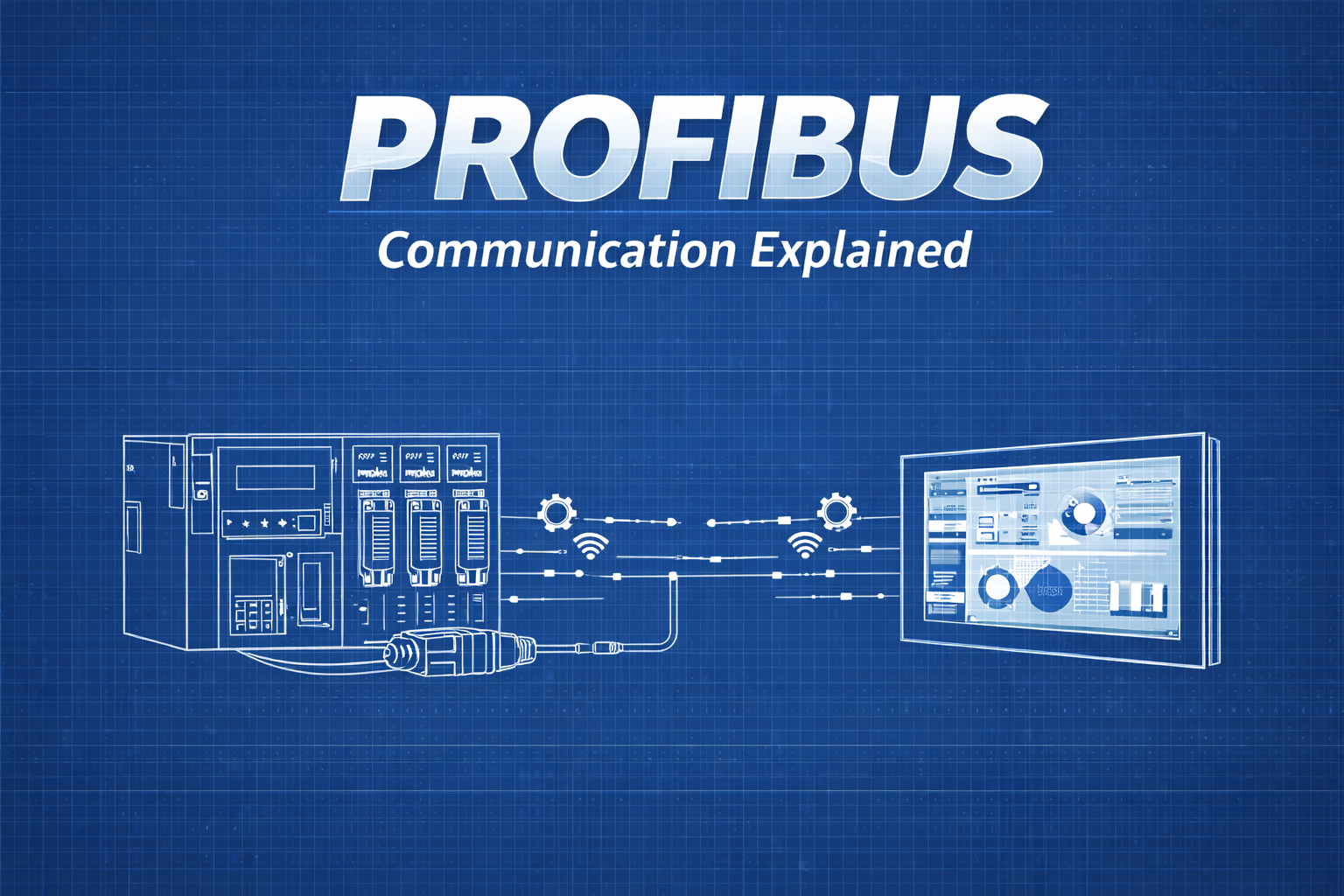
Industrial automation depends on reliable communication between controllers, drives, operator interfaces, and field devices. Among the long-established industrial network standards, PROFIBUS communication continues to matter because it gives manufacturers a practical way to move data across machines and plant systems while supporting diagnostics, distributed control, and flexible system design
What Is PROFIBUS?
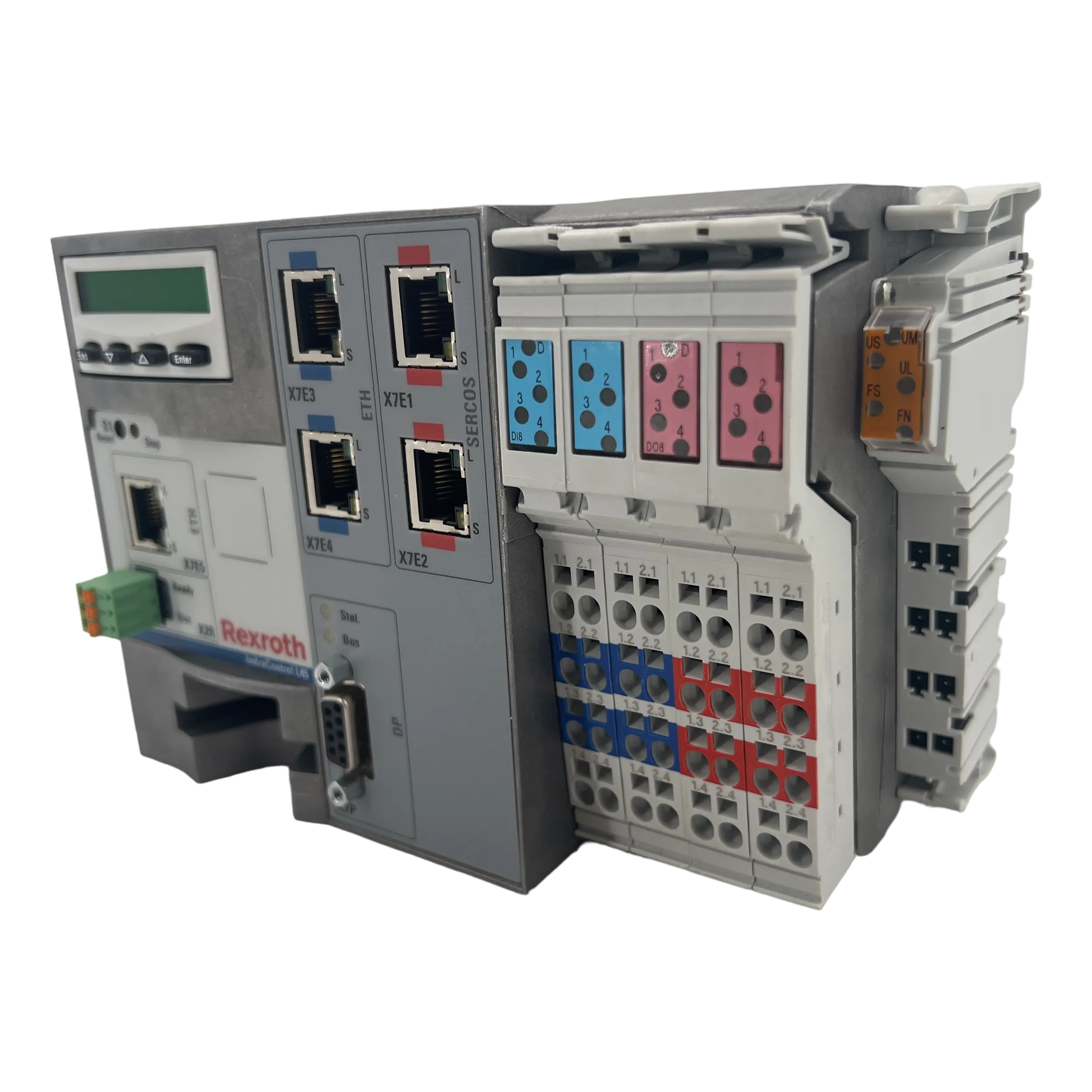
PROFIBUS is a fieldbus-based industrial communication standard used to connect higher-level controllers with distributed devices throughout factory and process automation systems. Rather than serving one narrow purpose, it developed into a broader family of communication methods built to handle different industrial tasks on a shared foundation. That adaptability is a major reason it became so widely used. In practice, a plant might use PROFIBUS to link a control platform such as the CML45.1-3P-500-NA-NNNN-NW to other devices across a larger automation network.
How PROFIBUS Communication Works
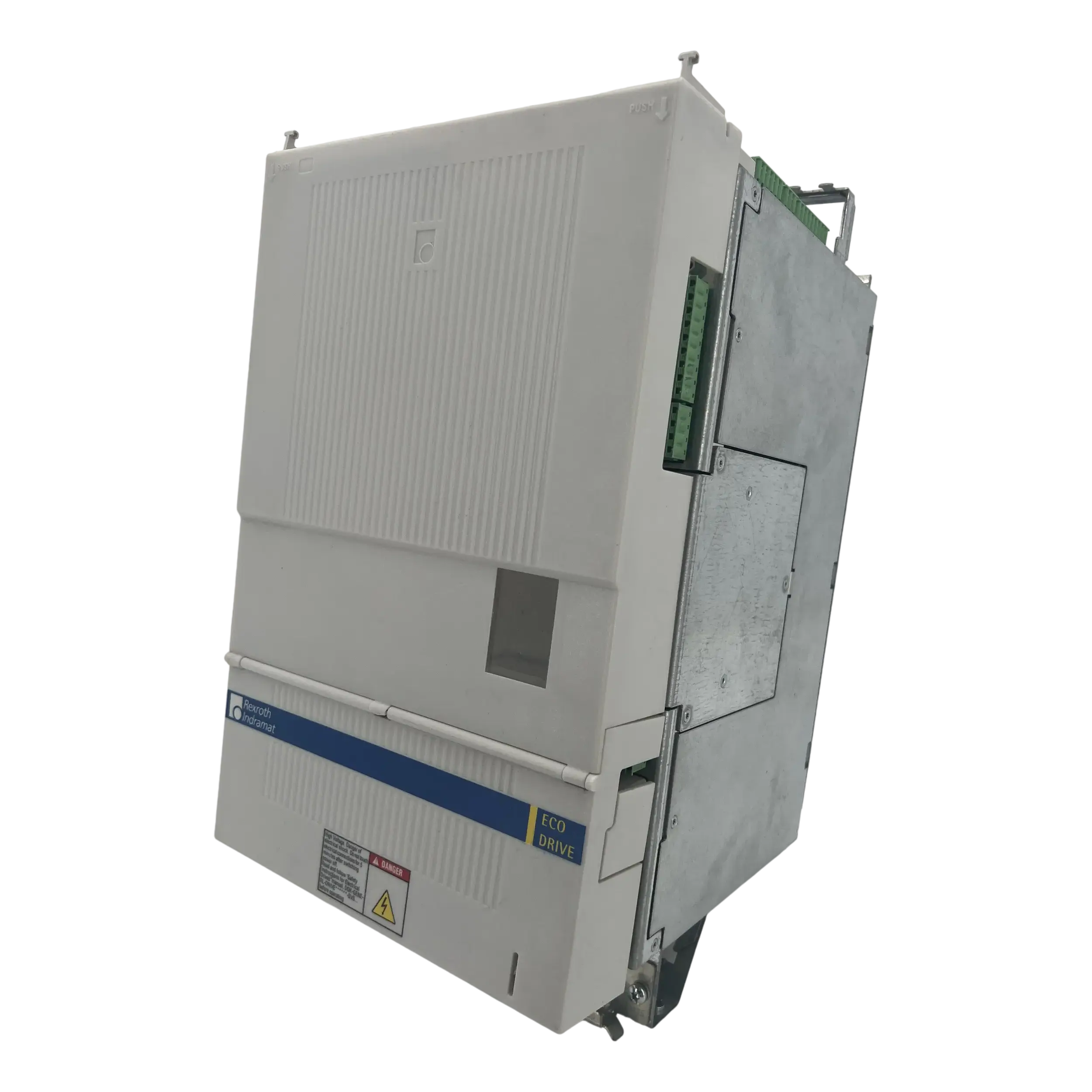
At a basic level, PROFIBUS allows a central controller or master device to exchange data with decentralized equipment such as sensors, actuators, remote I/O, and drive components. That structure makes it possible to manage machine functions in real time without relying on excessive point-to-point wiring. It also helps organize communication in a way that is easier to maintain and troubleshoot over the long term. A good example is the DKC03.3-LK-PBK02 option card, which adds PROFIBUS-DP communication capability to ECODRIVE03 DKC drive controllers. Rather than treating the drive as an isolated device, PROFIBUS allows it to become part of the broader control network.
That networked approach becomes even more valuable when systems need consistent diagnostics and coordinated control. PROFIBUS was never just about basic data exchange; it also became useful because it helped engineers build cleaner machine architectures with better visibility into device status and system behavior. That is part of what makes it a natural fit for motion applications. The FWA-CLC*DP-SYS-04VRS-MS, for example, is a multi-axis coordinated motion controller with PROFIBUS DP communications, showing how the protocol can support synchronized control in more advanced machine environments instead of being limited to simple I/O traffic.
The Main Types of PROFIBUS
As the standard evolved, PROFIBUS came to include several major variants, each designed around a different industrial need.
PROFIBUS-FMS
PROFIBUS-FMS was the earliest version and was intended for more complex communication between intelligent devices such as controllers and computers. While it offered broad messaging capability, it was eventually overshadowed by later PROFIBUS versions that were simpler and more efficient for most machine-level tasks. For that reason, FMS became much less common over time.
PROFIBUS-DP
PROFIBUS-DP became the most widely adopted PROFIBUS variant in factory automation because it was designed for fast communication between centralized controllers and decentralized peripherals. This is the version most people mean when they refer to PROFIBUS in machine control. The DKC03.3-LK-PBK02 brings PROFIBUS-DP connectivity to a DKC drive controller, while the CSH01.1C-PB-EN2-NNN-NNN-S2-S-NN-FW control section supports master communication via PROFIBUS. Together, those products show what PROFIBUS-DP has always done well: tying drives and control hardware into one coordinated machine network.
PROFIBUS-PA
PROFIBUS-PA was developed for process automation, especially where measured-value transmission and operation in hazardous areas are important. It extends the broader PROFIBUS concept into process environments where intrinsically safe communication and long cable runs are major considerations. Even though it serves a more specialized role, it fits into the same overall PROFIBUS ecosystem, which helped manufacturers apply a familiar communication approach across different parts of a facility.
Why PROFIBUS Still Matters
One reason PROFIBUS has remained relevant is that it solves practical engineering problems rather than just theoretical communication challenges. It can simplify plant architecture, reduce wiring, improve diagnostics, and make commissioning more manageable. Those benefits become easier to appreciate when you look at how the protocol appears across different kinds of hardware instead of in just one product category. PROFIBUS shows up in machine control platforms like the CML45.1-3P-500-NA-NNNN-NW, in control sections like the CSH01.1C-PB-EN2-NNN-NNN-S2-S-NN-FW, and in motion-focused hardware like the FWA-CLC*DP-SYS-04VRS-MS.
It is also worth noting that PROFIBUS is not limited to one exact product style. CDB Control Units supports multiple communication platforms, including PROFIBUS, alongside Sercos II, Sercos III, and Ethernet.
PROFIBUS communication remains one of the most recognizable industrial networking standards because it combines proven fieldbus architecture with broad real-world usability. It’s different variants gave manufacturers a way to support both machine automation and process automation. Whether it appears as a communication option on a DKC drive controller, as the master communication layer in a CSH control section, or as part of a coordinated motion platform like the CLC series, PROFIBUS continues to represent a dependable and familiar way to connect industrial automation components.